
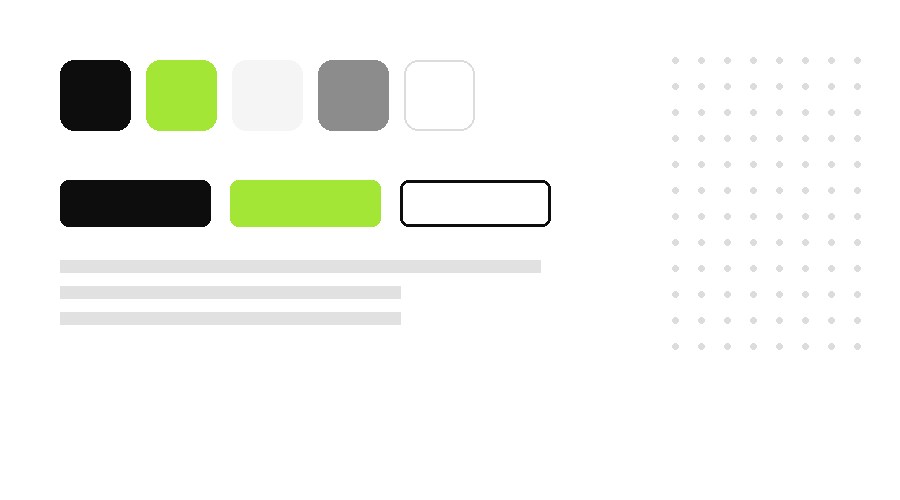
The UI felt inconsistent and hard to maintain: buttons, cards, and spacing changed from screen to screen, and every new component risked adding another duplicate style. I built a design system to bring order, clarity, and reusable structure to the interface.
Auditing what existed
I started by cataloguing the current components, style patterns, and inconsistencies. That audit revealed the real problem: design decisions were scattered across the codebase, so the design system needed to centralize how the team built interfaces.
Choosing the foundations
We landed on design tokens for spacing and typography, a shared component library for buttons and forms, and living documentation so the team could use the system with confidence. The goal was to make the next UI easier to build than the last one.
- Tokens for color, spacing, and typography
- A component library with clear ownership
- Living documentation your team actually uses
Rolling it out
I rolled the system out incrementally, starting with core components and then updating the most urgent screens. This phased approach kept momentum without forcing a risky cutoff.
Where it stands today
The system now supports consistent interfaces, reduces design debt, and makes future changes faster. The next step is to expand the library and keep the documentation aligned with the team’s evolving workflows.